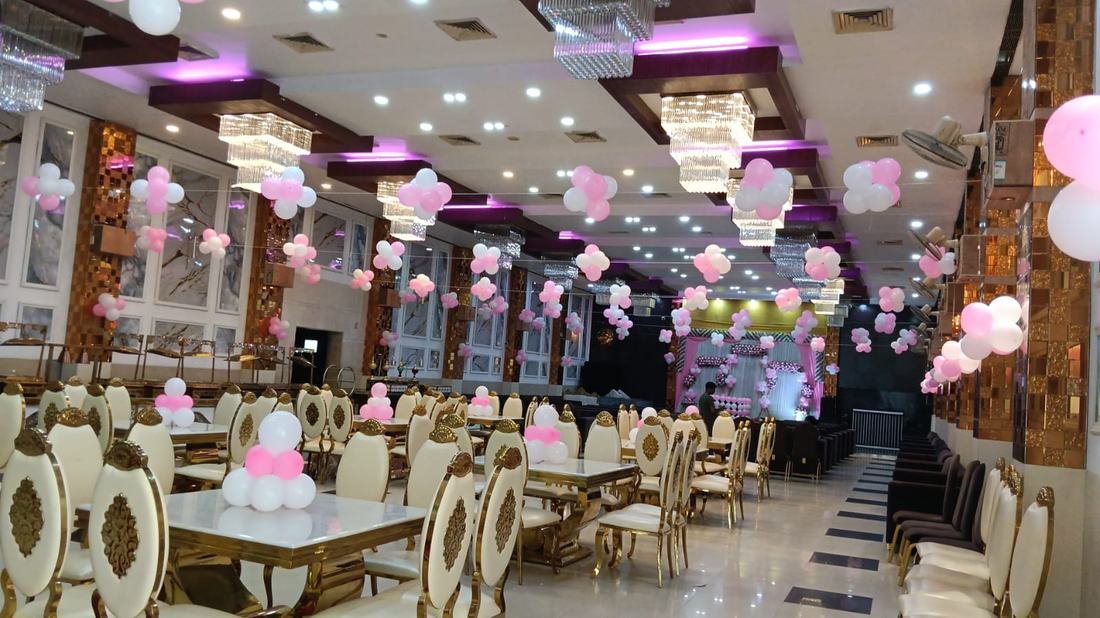
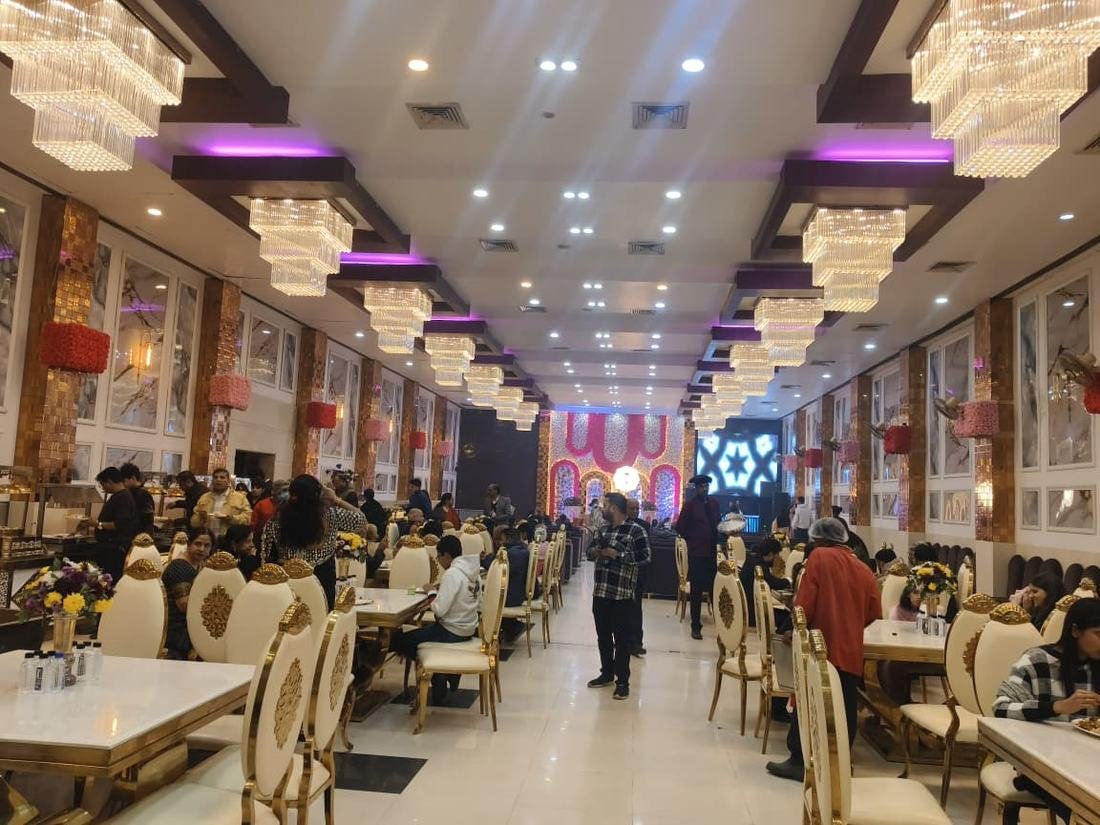
A reception rarely goes wrong because of one big mistake. It goes wrong because of a dozen small gaps: a stage that is not ready, a photo session that runs long, dinner served an hour after guests arrived. A realistic timeline is the cheapest insurance you can buy.
Work backwards from dinner
Decide when you want the first plate to be served, then build everything else around it. Most families find that guests are happiest when food is available within about 90 minutes of the first arrivals.
A sample running order
- Arrival & welcome drinks: open the doors, start soft music and let the live counters warm up.
- Couple's entry: schedule it when most guests are already seated or standing near the stage.
- Stage greetings and photographs: keep family groups short and pre-listed so nobody is hunted down.
- Dinner opens: announce it clearly and open every counter at once to avoid queues.
- Cake, dessert and dance floor: end on energy rather than letting the evening fade.
Build in buffer
Add 15 to 20 minutes of slack between major moments. If everything runs on time you simply start the next item early; if it does not, nobody notices.
Give one person the clock
Ask a coordinator or trusted relative to own the schedule on the day, so the family can enjoy the evening instead of watching the time.